
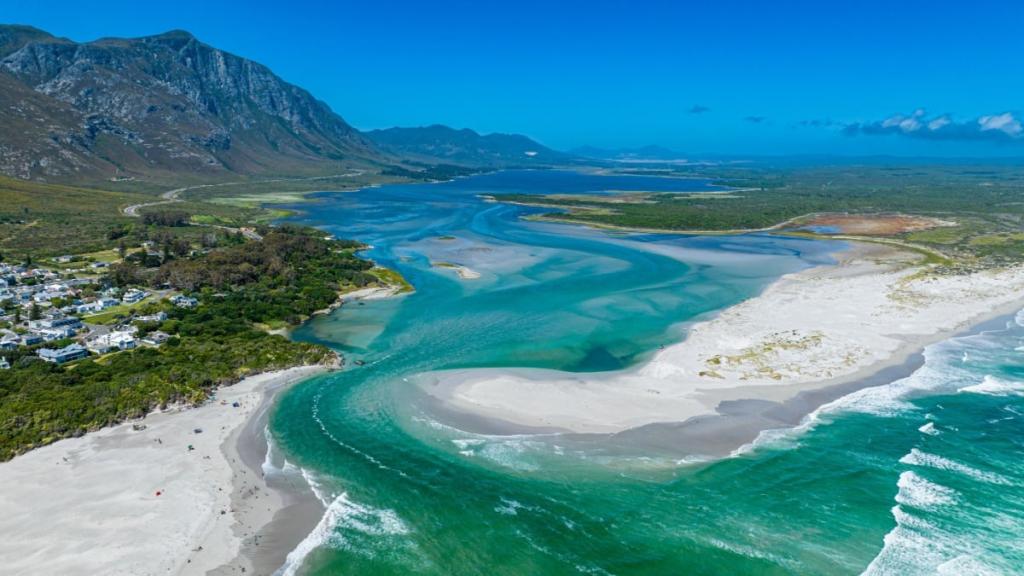
Meridian Realty principal and founder Antonie Goosen told Daily Investor that they are seeing a clear movement from large metros to smaller but well-serviced towns.
“Wealthier buyers, especially those who can work remotely or run businesses from anywhere, are choosing lifestyle-driven destinations,” Goosen said.
“Towns like Stellenbosch, Paarl, Franschhoek, Hermanus, Plettenberg Bay, Knysna, and areas of the Garden Route remain top of mind, while in the Eastern Cape, St Francis Bay and Kenton on Sea have attracted interest.”
KwaZulu-Natal’s North Coast is also attracting wealthy buyers. According to Goosen, areas like Ballito, Salt Rock and Zimbali are popular among affluent families wanting space, security and coastal living.
She explained that lifestyle and safety are the biggest factors driving this shift from major metros to small towns.
“Since Covid, many high-net-worth South Africans have realised they do not need to live in Sandton or the Cape Town CBD to run their businesses effectively,” she said.
As a result, the semigration trend skyrocketed as many South Africans, including wealthy individuals, left the city centres in favour of areas with better lifestyles, with the Western Cape being top choice.
Post-pandemic, many property experts have pointed to a reversal in the semigration trend, as some people have been forced to return to the office.
This has resulted in a growing movement from the Western Cape to Gauteng. When it comes to wealthy South Africans, however, Goosen said semigration to the Western Cape remains strong.
Areas like the Winelands and coastal towns are especially popular destinations for wealthy South Africans. With that being said, she added that semigration trends are more nuanced now.
“We are seeing some wealth moving back towards Gauteng, particularly among executives who need to be closer to head offices or who travel internationally frequently,” she said.
“However, the Western Cape’s appeal has not waned; it continues to outperform other provinces in terms of price growth and buyer demand at the upper end.”