Gayton McKenzie accused of not understanding fashion industry after his meeting with Shein
Fashion designer David Tlale said he doesn’t think Gayton McKenzie understands the complexities of the clothing and textile industry.



Oceana expects a significant drop in earnings for its 2025 financial year as lower fish oil prices in the United States weighed heavily on the company.
Oceana is a global fishing and food processing company that operates across 36 countries. It is Africa’s largest fishing company with a history dating back over 105 years.
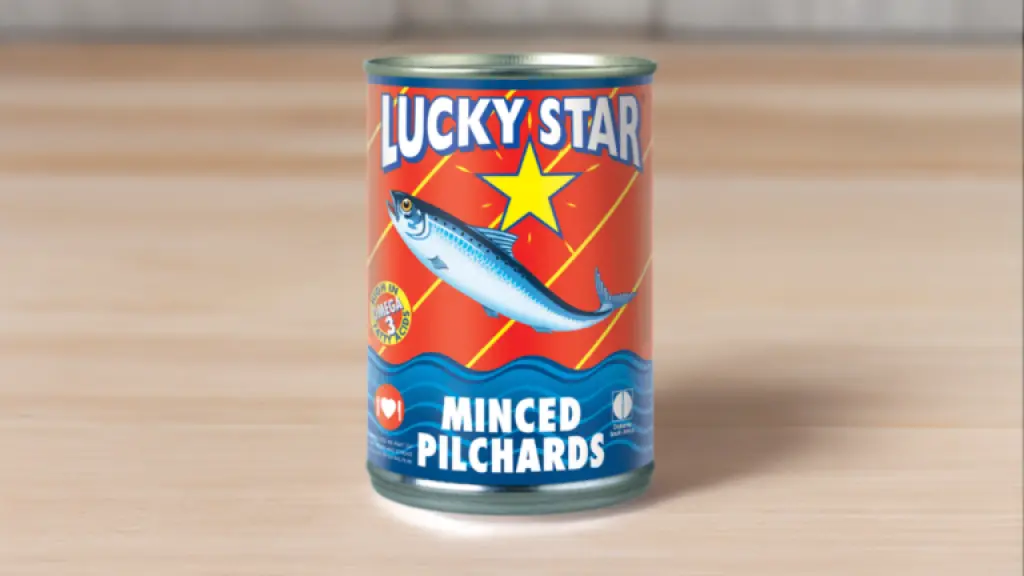
Its brands include Lucky Star, which is known for canned pilchards, Daybrook, the company’s fishmeal and fish oil business, and Wild Caught Seafood, which exports hake, lobster, squid and horse mackerel worldwide from South Africa.
While based in South Africa, Oceana is highly exposed to market changes in other parts of the world, which will show in its upcoming results.
On Monday, 15 September, Oceana released a trading statement for the year ending 30 September 2025.
This statement revealed Oceana’s projected earnings for its 2025 financial year, which showed that the company expects its basic earnings per share and basic headline earnings per share to decrease by at least 40%
This significant drop is attributed primarily to a halving of average US dollar fish oil sales prices compared to the record prices achieved in Oceana’s 2024 financial year.
The company explained that the recovery in the Peruvian anchovy biomass during the period led to a fish oil price correction.
This significantly impacted its Daybrook brand, which is Oceana’s fishmeal and fish oil business.
This business is diversified across two geographies, with operations in both the United States and South Africa.
The products this brand produces are predominantly sold into the United States pet food and global animal and aquaculture markets.
Due to the price correction, this business’s performance declined substantially compared to the strong earnings seen in the 2024 financial year.
This decline was skewed towards the business’ United States operations, with the Africa business having processed 18% more volume and increased sales volumes by 48%.
This was driven by higher industrial fish landings and an increased supply of pilchard trimmings from the Lucky Star food canneries.
In addition, processing costs per ton have reduced due to higher throughput, increased fish oil yields and efficiency gains from the recent plant upgrades.
Operationally, the US business also performed well, with an 11% increase in sales volumes. However, this was not enough to offset the lower fish oil prices during this period.
In contrast, the company’s Lucky Star brand performed well in the period, with steady consumer demand and increased local production.
However, this business only saw volume growth of 1%, which the company attributed largely to export demand.
It noted that local canned fish volumes remained stable despite subdued consumer spending due to economic pressures.
Lucky Star’s operating margins benefited from increased local cannery production volumes, better production yields from good-sized and high-quality frozen fish, and efficiency gains from recent factory upgrades.
Pilchard landings were 4% higher than the prior period, with strong first-half catches offset by weaker second-half landings.
Oceana said inventory levels closed in line with the prior period, following planned lower frozen fish purchases in the second half, which contributed to an improved working capital position.
The company’s Wild Caught Seafood segment also improved significantly, driven by a strong hake performance and a reduction in horse mackerel losses compared to the prior period.
As a result, sales volumes rose 30% in the 2025 financial year, which, combined with firm European sales, drove this segment’s strong performance.
Oceana’s full results for its 2025 financial year will be released on or about 24 November 2025.
Issued on Daily Investor by Blanke Neethling | https://dailyinvestor.com/business/101973/lucky-star-owner-feels-the-pain/